Top 5 Benefits of Choosing Dental Implants for Missing Teeth
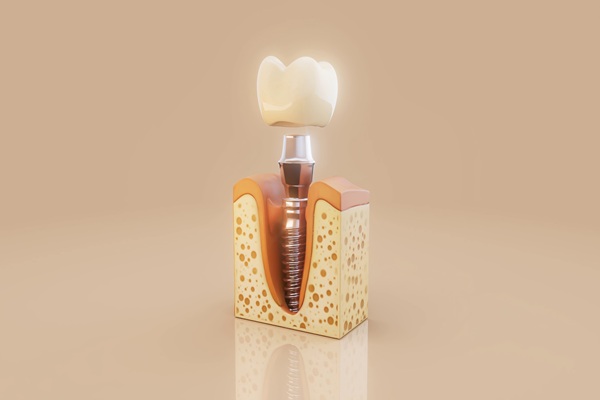
Missing teeth can be a nuisance, whether their absence interferes with speech or makes it hard to eat the foods that you love, but thankfully, a dental implant can be a highly effective method of restoring your smile and bite after losing one or more teeth. While it is true that dental implants are not the only options for recreating a complete bite, they offer advantages that other alternatives, such as dentures, do not.
Why choose dental implants to replace teeth
A dental implant is a type of tooth replacement that affixes a prosthetic tooth onto a metal pole that is inserted into the jawbone. Its installment entails a more in-depth and time-consuming process than other tooth replacement options like dentures, but implants are beneficial for oral health and avoid the common drawbacks of many other choices. The main benefits of choosing dental implants for missing teeth are as follows.
They stimulate the jawbone
The jawbone remains strong throughout one's life because simple daily acts like chewing stimulate the bone tissue. The forces applied by the bite transfer through the tooth roots, keeping the bone thick and tough. However, when a tooth is lost, the area that it occupied no longer has a root attached to the jawbone.
As a result, the bone in that area can begin to atrophy, or weaken. This can cause a sunken look in the face and may even impact the teeth around that space. A dental implant utilizes a metal rod that functions just like a tooth root, stimulating the jawbone to avoid these issues.
They blend in seamlessly
When someone finally has their missing tooth replaced, they want it to look good, and that is a reasonable request! Options like dentures can have an artificial look, but dental implants mimic natural teeth in a way that dentures cannot. The prosthetic tooth of an implant is made of porcelain or a composite material with the same glossy, translucent properties as real teeth.
Additionally, dental implants are crafted with the person’s existing dentition in mind. The implant color will match the natural teeth so it does not stand out and instead, blends in seamlessly.
They last a long time
Any tooth replacement option will need maintenance over time, but dental implants are longer-lasting than many other choices. Dentures typically need work or replacement after around seven to 10 years. Conversely, implants can last 15 years or more, with some people even seeing over 20 years of service from their implants with few or no issues.
The implants’ resilience comes down to the materials from which they are made. Porcelain and composite are strong and can withstand normal bite forces. The titanium or zirconia of the metal portions are highly biocompatible and used in other applications (like hip implants) for their ability to resist stressors.
They are fixed in position
Since dental implants are bonded directly into the bone tissue, they do not move once put in place. This contrasts with dentures, which can accidentally slip around or even fall out when the person is speaking or eating.
The immovability of dental implants is ideal for more than just convenience. When the bite remains consistent every day, the muscles of the face can relax rather than adapt constantly. This helps prevent temporomandibular joint disorders and soreness.
They cannot get cavities
While any type of tooth replacement option will not be able to get cavities because they are all made of artificial materials, dental implants are especially resilient against decay. Dentures can develop bacterial buildup on all surfaces, including underneath the glue that holds the denture against the gums.
In contrast, dental implants simply need to be taken care of like natural teeth. They are protected by the gums in the same way, so they have a smaller overall surface area that can be impacted by bacteria.
Explore dental implants for your missing teeth
A dental implant is a worthwhile tooth replacement option because of its longevity, ability to stimulate the jawbone, resistance to bacteria, and seamless integration into the smile. If you are considering dental implants, it is useful to know what makes them unique compared to other options so you can make an informed decision.
Many people make great candidates for a dental implant, but some will need a bone graft first to be sure their jawbone can support the implant post. Contact our office to schedule an appointment to see whether dental implants are a good fit for you!
Request an appointment here: https://www.groutfamilydentistry.com or call Grout Family Dentistry at (303) 731-1976 for an appointment in our Littleton office.
Check out what others are saying about our dental services on Yelp: Dental Implants in Littleton, CO.
Related Posts
While some might believe visiting the dentist is only necessary for emergencies, routine dental care can be vital for oral health and overall wellness. There are a variety of benefits to seeing a dentist two or three times a year, no matter a patient’s stage of life. While regular brushing and flossing can help keep…
Dental hygiene practices should include more than brushing and flossing, but when life gets busy, routine dental care is all too often left to the bare minimum. Even when your daily schedule is uncertain, do not let oral health slip to a last-minute thought before jumping into bed. It is possible to develop dental care…
It is well known that routine dental care is essential to the maintenance of a patient’s oral health, but the reasons why are not always as clear. Patients who have questions regarding dental care should consult with a dentist for help in understanding the importance of properly caring for their teeth.The following are common questions…
Identifying the right general dentist serves as a vital step for anyone seeking to maintain a resilient smile and avoid the complications of progressive tooth decay or gum disease. A long-term relationship with a dentist ensures that the history of the mouth remains clear and that every treatment plan aligns with personal health goals. Selecting…